Phuket vegetarian

The Compass JournalPhuket

Phuket Vegetarian Festival 2026: Dates, Processions and Where to Stay

9 September 2026

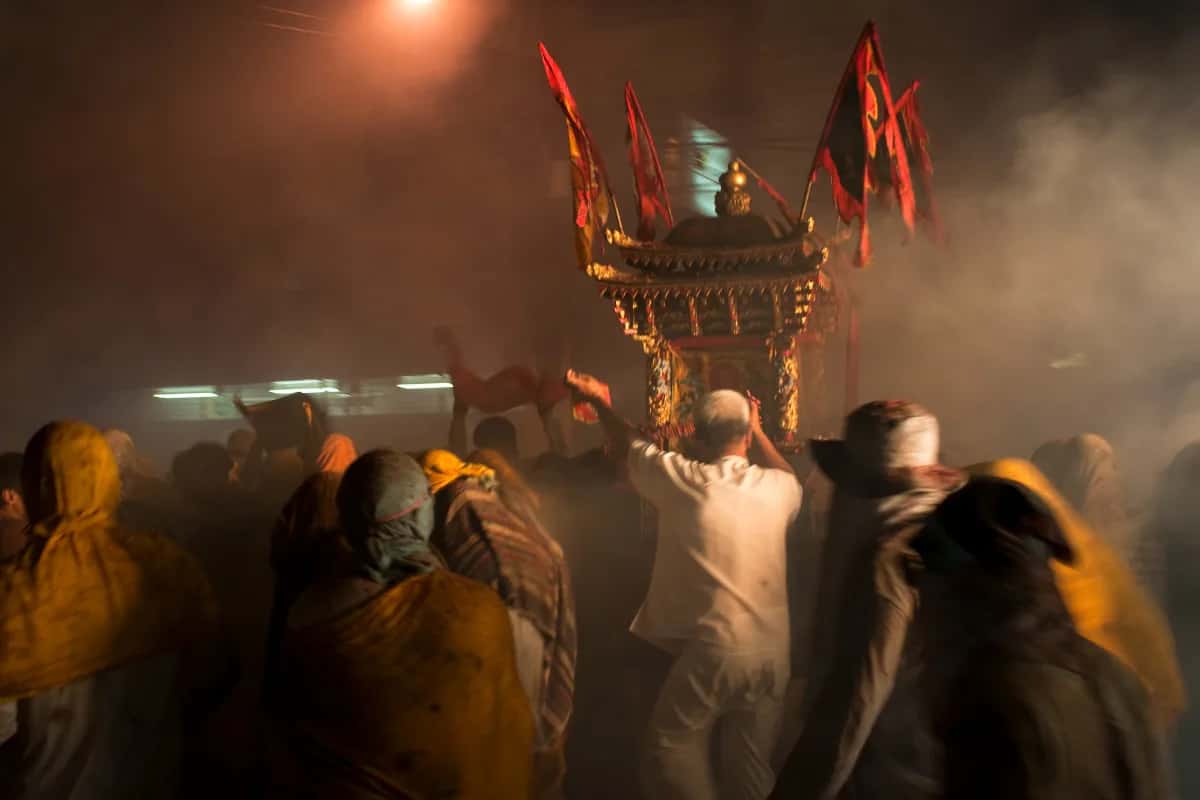
Midnight, October 10. Drums, incense smoke and a city dressed in white — for nine days, Phuket Old Town becomes the most intense festival stage in Thailand. Here is how to see it well: the dates, the processions worth waking up for, what to eat, and where to sleep once the firecrackers stop.

Nine days in white: what the festival actually is

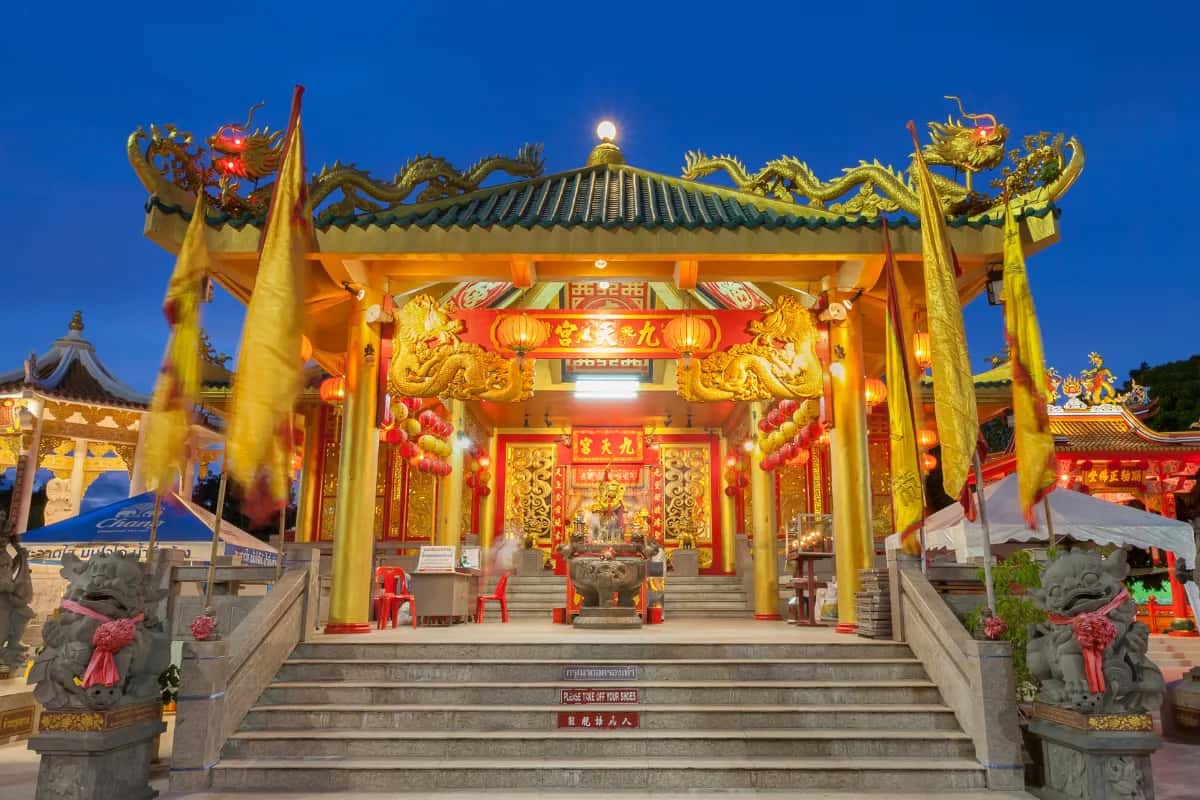
The Phuket Vegetarian Festival — locals simply call it the Jay Festival — honours the Nine Emperor Gods of the island's Hokkien-Chinese community. The story goes back to the 1820s, when a visiting opera troupe fell ill in the tin-mining town of Kathu and recovered after committing to a strict vegetarian diet and Taoist rites. Phuket has kept the vow ever since: for nine days, devotees dress in white, shrines run day and night, and much of the island eats jay — food free of meat and pungent herbs. It is loud, smoky, deeply devout and unlike anything else on the Thai calendar.

Dates and key ceremonies, 10–18 October 2026

The 2026 festival runs from Saturday 10 October to Sunday 18 October, with the lantern-pole raising that formally invites the gods held at the main shrines on the eve of day one. The dates follow the lunar calendar — the ninth lunar month — which is why they shift every year.

  • The opening. On the eve of the festival, each shrine raises its go teng lantern pole; around midnight into 10 October, the first invocation ceremonies begin at the island's oldest shrines, led by Jui Tui and Bang Neow near Old Town and the original shrine in Kathu.
  • Procession mornings. Through the middle days, each major shrine takes a morning to parade through town. Every shrine publishes its own procession day — the full schedule is posted at the shrines and by the Phuket tourism offices in early October, so confirm the morning you plan around.
  • The climax. The final night, 18 October, ends with the farewell to the gods at Saphan Hin park — a firecracker street storm that has to be experienced from a sensible distance to be believed.
Where to watch the processions (and when to show up)

The Old Town route

The classic viewing corridor is Old Town's Sino-Portuguese grid — Thalang Road, Phang Nga Road and Ranong Road. Arrive before 7am on a procession morning: streets close early, shopkeepers set up small altars along the pavement, and the entranced mah song devotees pass close enough to bless the offerings. Families tend to gather near the Thalang–Ranong end, where the pace is calmer; the firecracker gauntlets concentrate around the shrine gates.

Doing festival mornings from a Patong base

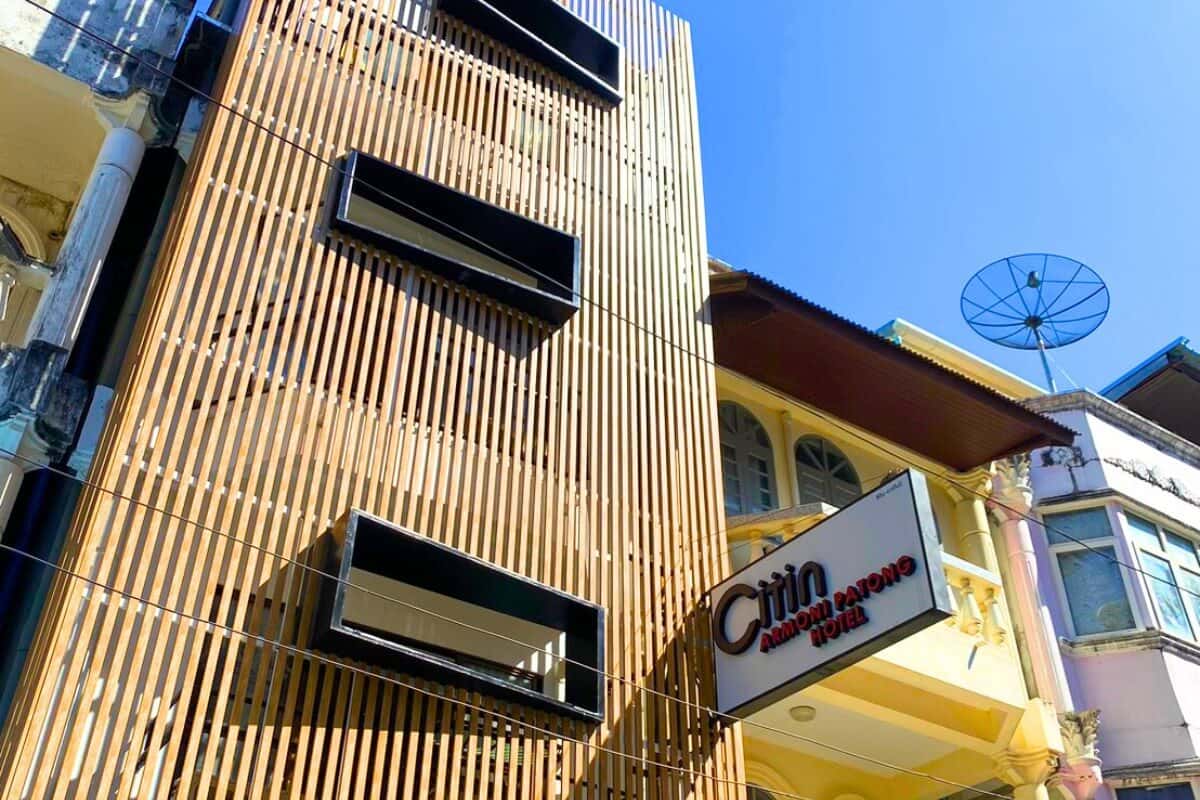
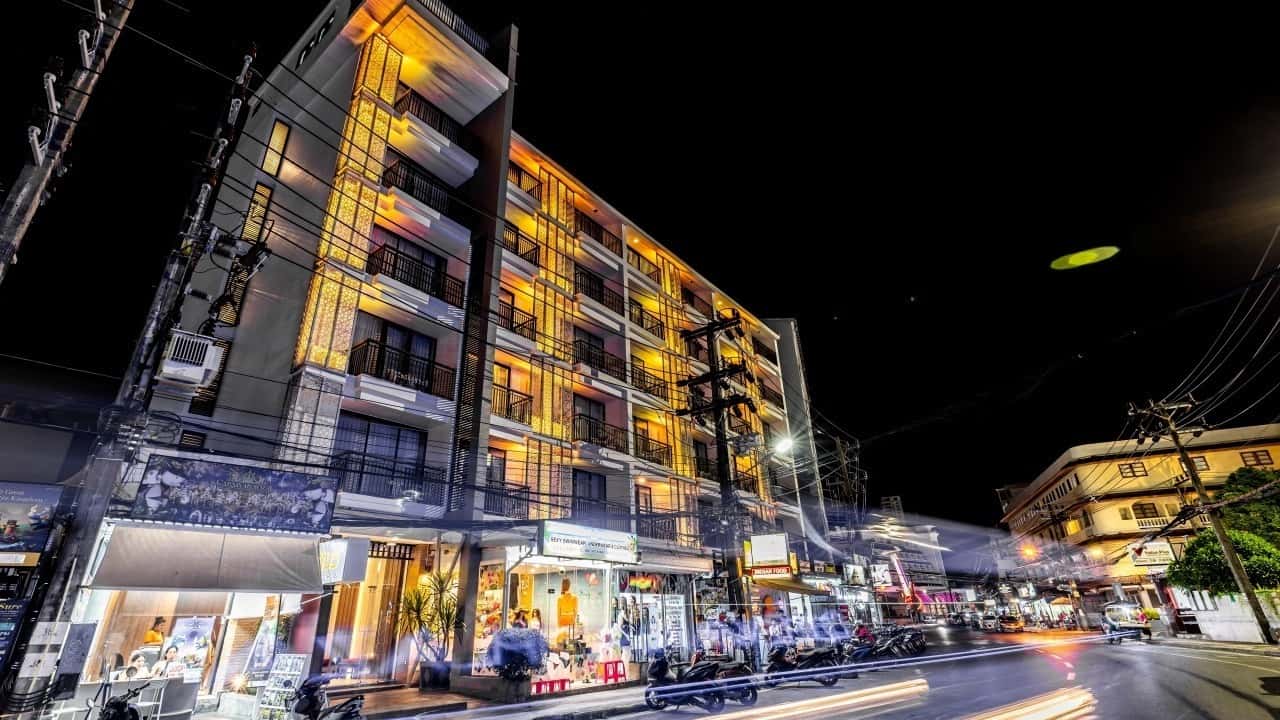
Staying on the beach side does not rule out the festival — it just takes an early alarm. From Patong, Old Town is normally only a 15–20 minute drive via Kathu, but festival road closures change the math: on procession mornings, leave by 6am to beat them and find the crowd still forming. Kathu Shrine — the festival's historic birthplace — is the nearest major shrine to the Patong side, and its procession is a strong alternative to the Old Town crush. Evenings, the flow reverses: watch the ceremony, then be back on the sand by sunset.

What to eat: the yellow-flag food trail

Look for the yellow triangular flags with red เจ lettering — they certify a stall or kitchen is cooking jay for the festival. The trail is at its richest along Ranong Road by the market and outside the Old Town shrines: oh tao (oyster-less omelette done the jay way), yellow-flag noodle soups, mock-meat dim sum, and shrine kitchens serving free community meals. For nine days practically the whole island joins in — if you have ever wanted to eat vegetarian street food in Thailand at full scale, this is the week.

Firecrackers, piercings and staying respectful

Two honest warnings. First, the festival is genuinely loud: firecrackers are thrown at the processions as an act of merit, so bring earplugs, cover drinks, and keep children back from the shrine gates. Second, some devotees perform acts of self-mortification — ritual piercings and blade ceremonies — as proof of the gods' protection. Watch with respect: dress modestly (white if you want to take part), do not use flash in the shrines, ask before photographing a mah song up close, and never block a procession. Pregnant visitors and those in mourning are traditionally asked to keep a distance from the ceremonies themselves — the food trail is open to everyone.

Beyond the nine days: Phuket in October

October is Phuket's quiet gear-change from green season into high season: dry mornings, dramatic skies, the hills at their greenest and the island's rates at their year-low. Build the festival into a longer stay and you get the best of both — ceremony at dawn, empty beaches by noon. See all our Phuket stays on the Phuket destination page, or browse the wider Thailand collection. One caution from every year we have hosted this week: October looks like low season on paper, but festival week itself fills up — book the nights around your procession mornings early.

Phuket Vegetarian